







What is olefin fabric for outdoor use? A practical guide
Key Takeaways
Olefin is a synthetic fiber used in outdoor fabrics, but the fiber name alone cannot tell you how a finished textile will perform. Construction, intended use, and care all matter.
- Olefin is made from polypropylene, and its color can be added during fiber production.
- Many olefin fabrics resist moisture and dry quickly, but they are not automatically waterproof.
- Outdoor cushions, shade fabrics, and poolside items can all use olefin, depending on the fabric’s construction.
- Heat, oils, friction, and prolonged exposure can affect a fabric over time.
- Check product details and care instructions instead of choosing by fiber name alone.
What olefin fabric is and how it is made
If you’re asking what is Olefin fabric for outdoor use, the short answer is a textile made from synthetic olefin fibers, most commonly polypropylene. It is often selected for outdoor products because the fiber can be colored during production and does not readily absorb water. Still, the finished fabric’s weave and any coatings or backing influence how it behaves. The label is a starting point, not a performance guarantee.
The fibers and materials behind olefin
Olefin describes a family of fibers made from polyolefin polymers; polypropylene is a common material in outdoor olefin textiles. The fibers are lightweight and have low moisture absorption compared with many natural fibers. That does not mean every olefin fabric feels the same: thickness, yarn construction, and surface finish can change its hand and durability. For a specific item, look for the fiber content and any additional material layers.
How the fibers are colored during production
Some olefin is solution-dyed, meaning pigment is introduced into the polymer before it is formed into fibers. Because color is incorporated into the fiber, rather than applied only to the finished fabric surface, solution-dyed textiles are often chosen for color retention outdoors. That process is not a promise that a textile can never fade; sunlight, exposure time, and the full fabric construction still matter. Check whether a product actually identifies its fabric as solution-dyed.
How olefin becomes outdoor upholstery fabric
After fibers are made, they can be spun into yarn and woven or knitted into fabric. Manufacturers may also add a backing, finish, or coating for a particular use, so two textiles with the same fiber label can behave differently. For example, a tightly woven upholstery cloth and a more open mesh will handle water and abrasion differently. When comparing a float or cushion, pool-float construction is worth considering alongside the cover material.
How olefin performs outdoors
Olefin can be a practical choice for outdoor settings where sunlight, splashes, and regular use are part of the routine. Its low moisture absorption can help fabric dry sooner than a more absorbent textile, while solution-dyed versions are made with color retention in mind. No fabric is immune to wear, though, and the conditions around it matter. The details below are best understood as tendencies that depend on construction and care.
Resistance to fading from sunlight
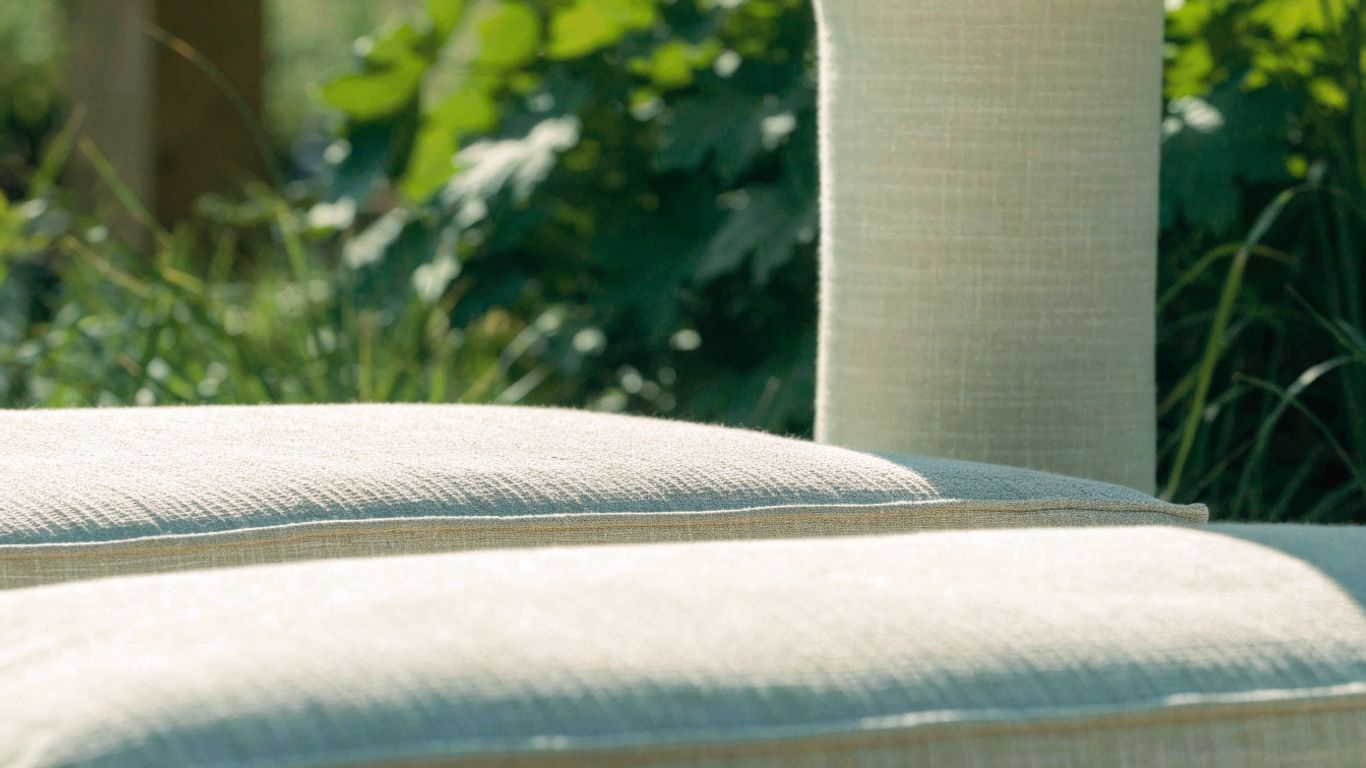
Solution-dyed olefin is commonly selected for outdoor use because color is added during fiber production. That can help the color hold up better than surface coloring in many outdoor conditions, but it does not make a fabric fade-proof. The amount of direct sun, climate, and length of exposure all affect the result. If a product will sit in full sun all season, check its specific performance information rather than relying on the word olefin alone.
Moisture resistance and drying time
Olefin fibers absorb little moisture, so a fabric made from them may dry relatively quickly after a splash or light rain. The cover is only one part of the picture: seams, lining, coatings, and any cushion fill or inner core can retain water. Water resistance is not the same as waterproof construction, and water can pass through seams or openings. For more context, see these waterproof fabric considerations before leaving an item exposed to standing water.
Strength, abrasion resistance, and everyday comfort
A well-made olefin textile can suit everyday outdoor use, but strength and abrasion resistance vary with yarn, weave, and fabric weight. A soft surface may feel pleasant against skin, while a denser weave may better suit repeated contact; there is no single hand feel for all olefin. For seating and poolside pieces, consider how the fabric feels when dry and damp, and whether its seams and supporting structure are appropriate to the job. Construction matters as much as fiber when you are weighing comfort against wear.
How performance varies by fabric construction
The fiber tells you what material is present, while the fabric construction shows how that material is put to work. A coating may change water handling; a backing can affect support; and a loose weave can drain differently from a compact one. Use the table as a quick guide to questions worth asking, not as a substitute for product specifications.
| Construction detail | What it may affect | What to check |
|---|---|---|
| Weave or knit density | Feel, drainage, and surface wear | Whether it suits the intended use |
| Coating or finish | Water handling and cleanability | Whether care instructions limit cleaners |
| Backing or lining | Support and moisture retention | How the whole item dries |
| Seams and closures | Water entry and stress points | Stitching quality and seam design |
Those details help explain why two products made with olefin may have different care needs and outdoor performance. If the product page gives only a fiber name, ask for further information about its construction and intended use.
Where olefin fabric works best
Olefin appears in a range of outdoor products, from upholstery to shade textiles and fabric-covered pool gear. It can be useful where light weight and low moisture absorption are helpful, but the best application depends on the specific textile and how it is built. Think about whether the fabric will face direct sun, frequent wetting, or repeated friction. Those everyday conditions are more useful to consider than a broad label such as “outdoor fabric.”
Patio cushions and outdoor seating
Olefin upholstery can make sense for cushions and outdoor seating, especially when the fabric is specified for that use. Look at the cover’s weave, seams, and any cleaning restrictions, then consider where the cushions will sit and how often they will get wet. Cushion fill also affects drying time, so a quick-drying cover does not necessarily mean a quick-drying cushion. Removable covers can make routine care easier, if the product is designed for removal.
Umbrellas, awnings, and shade structures
For umbrellas and awnings, a fabric’s ability to cope with repeated sun exposure is central, but weight and construction are important too. A textile intended for shade has different demands from upholstery that is frequently sat on or handled. Check the maker’s guidance on outdoor exposure, cleaning, and storage, and pay attention to seams and attachment points. A fabric’s fiber content alone cannot establish how well a finished shade structure will perform.
Marine and poolside applications
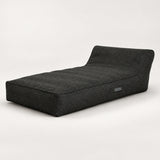
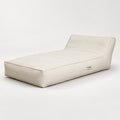
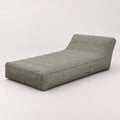
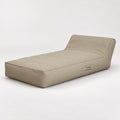
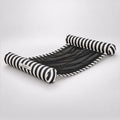
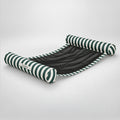
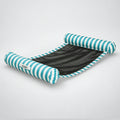
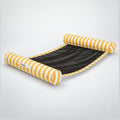
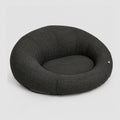
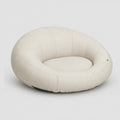
Poolside fabrics encounter splashes, sunscreen, chlorine, salt, and repeated handling, so the whole product needs to suit that environment. The cover is only one piece of a pool float: its inner construction, seams, and care instructions matter as well. The Poolboy Floata-Long has a solution-dyed Olefin cover over a welded TPU core, not glued PVC; its product information describes the cover as cool to the touch. That is a specific product construction, rather than a claim that every olefin item has the same core or feel.
When indoor use may also make sense
Olefin is not limited to outdoor settings. Its lightweight feel and resistance to moisture absorption can suit some indoor upholstery applications, particularly where easy handling is useful. The right choice still depends on touch, appearance, and the way the furniture will be used. If you are choosing fabric for an indoor room, compare samples in that lighting and consider how the surface feels against skin.
Olefin’s limitations to consider
Olefin can be useful outdoors, but it has limits and is not a universal answer for every climate or application. Water resistance, color retention, and durability are affected by more than fiber type. Heat, direct sun, oily substances, and abrasion can all change how a finished fabric looks or feels over time. Reading the care label and product specifications helps set realistic expectations.
Why water resistance does not always mean waterproof
A fiber that absorbs little water does not make a complete cushion, cover, or float waterproof. Water may enter through stitching, zippers, openings, or areas where the fabric meets another material. Coatings and construction can also alter how a product handles water. If you need a waterproof item, look for that claim on the complete product and check what it covers, rather than assuming the fiber name answers the question.
How heat and prolonged sun exposure can affect performance
Outdoor textiles can change after prolonged exposure, even when their fibers are selected for outdoor use. Strong sun and high heat may affect color or the feel of a surface, and hot objects can damage many synthetic materials. A shaded location, a cover, or storage when an item is not in use can reduce unnecessary exposure. Follow the manufacturer’s instructions for the specific fabric and product.
Potential issues with stains, oils, and friction
Low moisture absorption does not mean a fabric cannot be stained. Sunscreen, body oils, food, and other substances can sit on or mark a textile, especially if left for a long time. Friction can also roughen a surface or cause pilling depending on the yarn and weave. For routine care, act on spills promptly and use only cleaning methods allowed by the product instructions.
When another outdoor fabric may be a better fit
Another material may suit you better if you have a specific need that the available olefin product does not meet, such as a particular texture, cleaning method, or documented performance rating. Compare the finished fabric rather than assuming one fiber is always superior. Ask whether the textile is intended for upholstery, shade, or water-adjacent use, and check any stated limitations. A clear product specification is more useful than a broad promise of all-weather performance.
How olefin compares with other outdoor fabrics
Outdoor fabrics are made with different fibers and processes, and labels can make them seem easier to compare than they really are. Olefin is a fiber category, while a product’s finished performance depends on its weave, color process, finishes, and construction. Solution-dyed acrylic and polyester are other common categories you may encounter. Compare the particular textiles and their intended uses, rather than treating the material names as a complete verdict.
Olefin versus solution-dyed acrylic
Olefin and solution-dyed acrylic are both used in outdoor textiles, and each can be produced with color incorporated during fiber manufacture. Their feel, weight, and performance depend on the particular fabric and its specifications. If you are comparing them for furniture, consider color options, cleaning instructions, and how much direct exposure the textile is expected to handle. Do not assume a general fiber comparison settles the question for every product.
Olefin versus polyester
Polyester is another synthetic fiber used in outdoor products. It is available in varied weights, weaves, and treatments, so its behavior can differ widely across finished fabrics. When comparing it with olefin, check the stated color process and intended use, then look for any ratings or care guidance relevant to your setting. Similar-looking swatches can have different construction underneath.
Comparing durability, color retention, and price
There is no single price or durability ranking that applies to every olefin, acrylic, or polyester textile. The fiber, yarn quality, weave, finishing, and the item’s construction all affect cost and useful life. A simple comparison is to line up the factors that matter for your use before deciding.
| Factor | Questions to ask |
|---|---|
| Durability | Is the fabric intended for frequent use and repeated friction? |
| Color retention | Is the coloring method stated, and how much sun will it receive? |
| Water handling | Is the whole product water-resistant or waterproof, and what does that mean? |
| Price | What construction, warranty, or care details are included in the price? |
The answers are more revealing than a one-word material label. Compare like with like—for example, upholstery fabrics intended for similar conditions—and factor in maintenance as well as the initial price.
What to check beyond the fiber name
Ask what the complete product is made of, not just what its outer fabric contains. For a fabric-covered water lounger, the cover and inner structure should be considered separately. The Poolboy Floata-Long is specified with a welded TPU core under its solution-dyed Olefin cover; those construction details describe that product only. If a seller does not explain the layers, seams, or care needs, seek clarification before you buy.
How to choose and care for olefin fabric
Choosing an olefin product is easier when you start with the job it needs to do. A patio cushion, an awning, and a pool lounger face different conditions, even if each uses olefin somewhere in its construction. Read the product details and care instructions before comparing colors or price. That small bit of checking can prevent mismatched expectations later.
Check the fabric’s intended use and performance details
Look for an explicit statement that the fabric is intended for the use you have in mind, plus details on color process, coatings, and cleaning. If you are buying a pool float or lounger, distinguish the cover fabric from the inner core and check how the product should be used and cared for. A material name alone does not establish whether an item can be left outdoors or immersed. When details are missing, ask the seller rather than filling in the gaps yourself.
Match the fabric weight and weave to the application
A fabric’s weight and weave affect how it feels, drains, and handles everyday contact. For cushions, comfort and seams may be priorities; for shade structures, weight and attachment points matter; for poolside goods, drying and the full construction are worth checking. Compare samples where possible, and consider how the finished item will be handled. The most suitable fabric is the one whose construction matches the task, not necessarily the heaviest one.
Clean spills and routine dirt safely
Start with the care instructions supplied for the finished product, since coatings and backing can affect what cleaners are appropriate. For everyday dirt, gentle cleaning and a thorough rinse are often safer than strong chemicals or abrasive scrubbing. A practical routine is to:
- Brush away loose dirt before it is ground into the fabric.
- Blot spills promptly rather than rubbing them deeper into the weave.
- Use only the cleaner and method permitted by the care label.
- Rinse away cleaning residue and let the item dry fully.
The label takes precedence over general advice, particularly for stains or treated fabrics. For the Poolboy Floata-Long, the product guidance is to rinse, dry, and roll it for care and storage.
Store or cover cushions during harsh weather
A cover or sheltered storage can reduce the time fabric spends in direct sun and wet weather. Before storing cushions or fabric-covered items, let them dry as directed so moisture is not trapped. Fold or roll products only if the manufacturer recommends it, and avoid placing heavy objects on them. A modest amount of care can help an outdoor textile stay cleaner between uses.
Conclusion
Olefin is a lightweight synthetic fiber often used in outdoor fabrics, but the fiber name alone cannot tell you how a finished product will handle sun, water, wear, or cleaning. Check its intended use, construction, and care guidance, then compare those details with the conditions where you plan to use it. That is the practical way to decide whether olefin is right for your outdoor space.
Frequently Asked Questions
What is olefin fabric made from?
Olefin is a family of synthetic fibers made from polyolefin polymers. Polypropylene is commonly used in olefin textiles.
Is olefin fabric waterproof?
Not necessarily. The fiber absorbs little moisture, but water can pass through seams, openings, or an uncoated fabric, so check the full product’s specifications.
Does olefin fabric fade in the sun?
Some olefin fabrics are solution-dyed, a process that can support color retention outdoors. Exposure and fabric construction still affect fading over time.
Does olefin dry quickly?
Olefin fibers absorb little moisture, which can help a fabric dry relatively quickly. Linings, seams, coatings, and cushion fill can retain water and change drying time.
Is olefin suitable for poolside use?
It can be suitable when the complete product is designed for poolside conditions. Check the cover, inner construction, seams, and care instructions.
How should you clean olefin fabric?
Follow the care instructions for the finished item. In general, remove loose dirt, address spills promptly, and avoid cleaners or scrubbing methods the manufacturer does not permit.
How does olefin compare with polyester?
Both are synthetic fibers used in outdoor products, but performance varies by fabric construction and treatment. Compare the specific product details, intended use, and care requirements rather than relying on fiber names alone.
